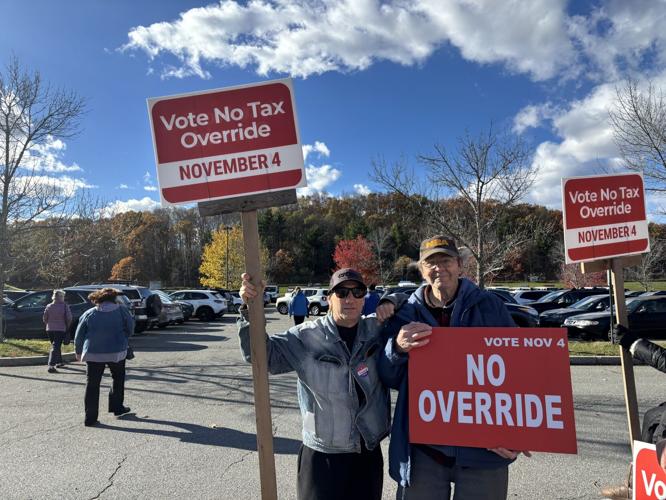
What is the Amesbury tax override?
The Amesbury tax override was a proposed $6 million increase to the city’s property tax levy beyond Proposition 2½ limits, intended to fund school and municipal operations. Voters rejected the measure in February 2026.
Amesbury voters recently weighed in on a proposed tax override that would have permanently increased the city’s property tax levy by approximately $6 million. The measure did not pass. While tax overrides are never easy to sell, this vote has meaningful implications for how Amesbury funds schools and municipal services — and how property ownership costs may evolve in the city over the next several years.
To understand what this means going forward, it helps to first understand what the override was designed to address.
What the Tax Override Was Intended to Do
Under Massachusetts Proposition 2½, cities and towns are limited to increasing their tax levy by 2.5% per year, regardless of how quickly costs rise. In Amesbury, expenses tied to education, staffing, benefits, and basic municipal operations have increased far beyond that cap.
City officials proposed a $6 million override to close what they described as a structural budget gap. Without additional recurring revenue, the city warned that maintaining current service levels would not be possible. Public discussions suggested that staffing reductions and program cuts could follow if the override failed.
Why Property Taxes Were Central to the Debate
Property taxes directly affect monthly housing costs, long-term affordability, and purchasing power for buyers. In markets like Amesbury, where home values have risen sharply in recent years, even modest increases in taxes can influence buyer behavior and resale considerations.
Will property taxes go up in Amesbury after the override failed?
Property taxes will continue to increase only within Proposition 2½ limits. There will be no additional override-driven increase from this proposal.
This was not just a budget conversation — it was a housing affordability conversation.
Why the Override Failed
Tax overrides often fail in Massachusetts, even when voters support strong schools and municipal services. In Amesbury, the vote reflected a familiar tension between the need for funding stability and sensitivity to rising household costs.
Many residents expressed concern about affordability, especially for seniors and families already facing higher mortgage rates, insurance premiums, and everyday expenses. For some voters, the override felt like too much financial pressure at once.
What Happens Now That the Override Failed
What happens now that the Amesbury override failed?
With the override failing, Amesbury must balance its budget within Proposition 2½ limits, which may require service reductions, staffing cuts, or reprioritizing municipal and school spending.
With the override not approved, Amesbury remains constrained by Proposition 2½. That means city leaders must balance the budget within existing levy limits, which can require difficult choices.
Continued Budget Pressure
The structural budget gap has not disappeared. City and school leaders will need to reprioritize spending, seek efficiencies, and potentially scale back certain programs or staffing levels.
Short-Term Relief for Property Tax Bills
For homeowners, the immediate effect is that property taxes will not increase beyond normal annual growth limits. For buyers, this maintains more predictable near-term housing costs.
Long-Term Questions About School and Service Funding
Schools and municipal services will continue operating under tighter financial constraints. Over time, sustained pressure can affect staffing, programming, and long-term investment.
Possibility of Future Override
The failed vote does not prevent future override proposals. If fiscal pressures continue, similar questions may return to the ballot in future election cycles.
What This Means for Buyers, Sellers, and Homeowners in Amesbury
How does the failed override affect Amesbury home values?
The failed override keeps short-term housing costs more predictable for buyers, but continued budget pressure could affect long-term school funding and municipal services, which are factors buyers consider when evaluating communities.
For sellers, tax stability can be a short-term selling point. For buyers, it removes one variable from affordability calculations — at least for now. For homeowners, it offers immediate tax predictability but ongoing uncertainty about service levels.
Frequently Asked Questions: Amesbury Tax Override
Did the Amesbury tax override pass?
No. Amesbury voters rejected the proposed tax override in February 2026.
What was the Amesbury tax override?
The Amesbury tax override was a proposed $6 million increase to the city’s property tax levy beyond Proposition 2½ limits to fund school and municipal operations.
What happens now that the Amesbury tax override failed?
With the override failing, Amesbury must balance its budget within Proposition 2½ limits, which may require service reductions, staffing cuts, or reprioritizing municipal and school spending.
Will property taxes increase in Amesbury after the override failed?
Property taxes will continue to increase only within Proposition 2½ limits. There will be no additional override-driven increase from this proposal.
How does the failed override affect buyers and sellers?
Short-term housing costs remain more predictable, but long-term budget pressure could affect school funding and municipal services, which influence buyer demand.
Post-Vote Update: Amesbury Tax Override Results
Update (February 2026):
Amesbury voters rejected the proposed tax override. As a result, the city will continue operating within Proposition 2½ levy limits. While this prevents an immediate override-driven increase in property taxes, it also means the budget gap that prompted the proposal remains unresolved, and city leaders will need to make difficult choices around funding priorities, staffing, and services going forward.