Could More Density Mean Lower Prices? An Amesbury Builder Makes His Case
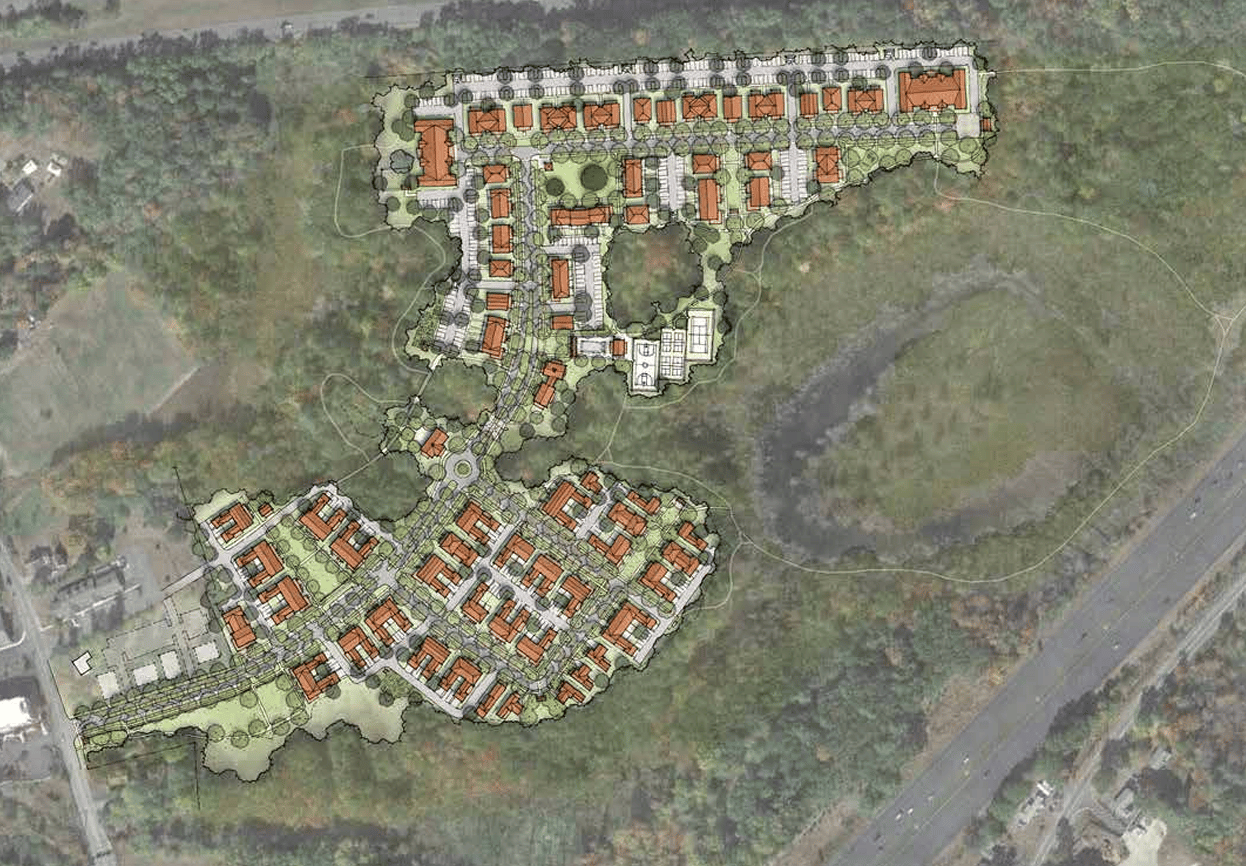
An Amesbury builder is making a case that cuts against the instinct many homeowners have when a new housing project gets proposed nearby: that more density means more strain, more traffic, and lower property values. His argument is the opposite — that more housing density is actually the path to lower prices, not higher ones.
The builder's case rests on straightforward supply-and-demand logic applied to housing: when a region restricts what can be built — through low-density zoning, large lot minimums, and lengthy approval processes — it constrains supply in a market where demand keeps growing. The result is what much of the Merrimack Valley and North Shore has experienced for years: prices that climb faster than incomes. His pitch is that allowing more units per acre, particularly in already-developed or transit-accessible areas, is one of the few realistic levers communities have to slow that price growth.
This isn't an abstract policy debate — it's playing out directly in Amesbury and neighboring communities, where proposed higher-density projects regularly draw organized opposition at planning board meetings and town votes. Residents' concerns are usually about traffic, school capacity, neighborhood character, and infrastructure strain, not about the economic theory of supply and demand. The builder's challenge is convincing a room full of abutters that a project that visibly adds density to their street is, in the aggregate and over time, good for affordability — a case that's a much harder sell in a specific hearing than in a general economic argument.
The relationship between new supply and local price levels is real but not instant or uniform: added units in a specific neighborhood don't necessarily lower prices in that neighborhood right away, but they do add supply to the broader regional market, and regions that have persistently under-built relative to demand tend to show the steepest long-term price appreciation. That's the builder's underlying point — the alternative to more density isn't stable prices, it's continued scarcity-driven appreciation that prices out more buyers every year.
Amesbury has already been navigating this tension directly through projects like the Golden Triangle redevelopment, where higher-density, mixed-use development has been proposed as a way to revitalize underused land. Whether or not this particular builder's project moves forward, the debate signals something worth watching for anyone with property in the area: the direction communities choose on density — toward more of it near town centers and transit, or continued restriction — will meaningfully shape both affordability and property values over the next decade.
Curious how density and development proposals near you could affect your home’s value? Reach out to the Person + Person Group — we track these local debates closely.
Listen on Apple Podcasts
Listen on Spotify
Whether you're simply thinking of buying or selling a home, or know someone who is, we're here to ensure your real estate experience is a great one. Let us help you find your dream home or investment property.