Downtown Newburyport Homes: Condos, Townhouses And More
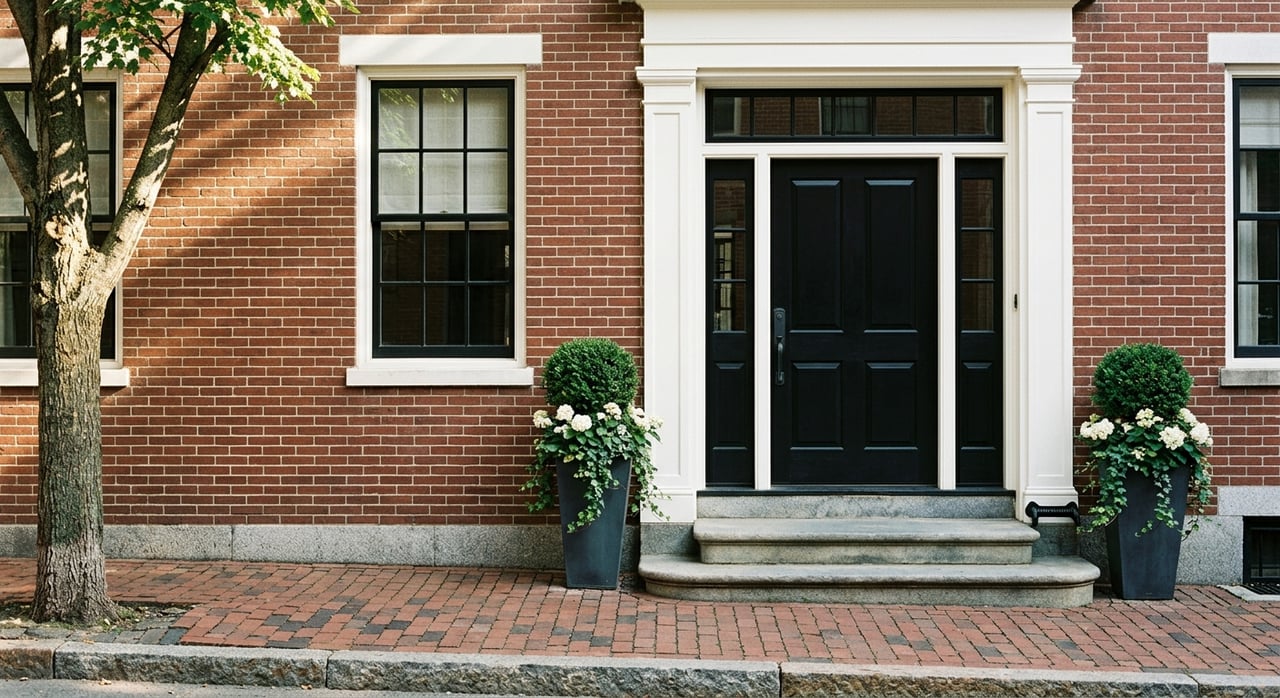
Looking for a home in the heart of Newburyport? Downtown living offers a very specific mix of charm, convenience, and trade-offs that can feel exciting and a little hard to sort through at the same time. If you are comparing condos, townhouse-style homes, and other attached properties, it helps to understand how downtown housing is actually built, how it functions day to day, and what ownership can involve. Let’s dive in.
Downtown Newburyport is the city’s historic core, generally stretching from Market Street to the Tannery Building and including Market Square, State Street, Pleasant Street, the Merrimack River waterfront, and nearby side streets. City planning documents describe it as a dense district of historic structures with shops, restaurants, offices, cultural destinations, and residences all closely connected.
That setting shapes the housing stock you will see. Instead of large suburban-style developments, downtown homes are often part of historic buildings, mixed-use properties, and attached streetscapes where residential life sits alongside storefronts, public spaces, and the waterfront.
Newburyport also positions itself as a small coastal city about 35 miles northeast of Boston, with the waterfront playing a central role in public life. For many buyers, that is the appeal. You are not just buying square footage. You are buying access to a walkable, historic, and waterfront-centered lifestyle.
One of the most common downtown formats is the condo within a mixed-use building. In Newburyport, current and recent city-reviewed projects show a pattern of ground-floor retail with residential units above, often sharing a lobby, stairs, or elevator access.
A proposed building at 49-57 Merrimac Street is a good example of how downtown inventory can take shape. The project narrative describes ground-floor retail, upper-floor residential units, shared access, terraces, rooftop units, and off-street parking behind the building. Another project at 2-6 Market Street is described as ground-floor commercial space with five upper-floor residential units.
If you want to live close to dining, shops, and the waterfront, this type of home may be a strong fit. The trade-off is that your building may function differently than a stand-alone residential complex, with shared systems, compact layouts, and a stronger connection to the rhythm of downtown activity.
Downtown Newburyport also includes homes created through adaptive reuse. City planning materials explicitly discuss converting older building space into residential units, affordable housing, live-work space, or artist lofts.
In practice, that often means upper-floor homes with character features tied to older structures rather than warehouse-style lofts on a large industrial scale. You may find exposed architectural details, unusual floor plans, or layouts shaped by the original building rather than by new-construction conventions.
For buyers who value charm and originality, these homes can feel especially compelling. They can also require a more flexible mindset about storage, room dimensions, and renovation options.
Some downtown properties offer a more house-like experience. The Census defines a townhouse as an inner unit in a two- to four-story structure with two shared walls and a private ground-level entrance, and that is a useful mental model for many attached homes in and around downtown.
In listings, these homes may be described as townhouses, attached homes, or condos, depending on legal structure and marketing approach. What matters most to you as a buyer is how the home lives day to day. A private entrance, multiple levels, and a layout that feels more like a traditional house can make this category appealing if you want downtown access without giving up that sense of separation.
Downtown floor plans are often efficient rather than expansive. In the 49-57 Merrimac Street proposal, second- and third-floor units are planned at about 940 to 971 square feet, while rooftop units are planned at roughly 1,086 to 1,263 square feet.
That does not mean every downtown home is small, but it does show a common pattern. You should expect many homes to prioritize location, walkability, and design efficiency over large footprints, oversized garages, or big private yards.
This is where thoughtful space planning matters. If you are downsizing, buying a second home, or purchasing your first downtown property, it helps to think carefully about storage, guest space, work-from-home needs, and how often you will use your car.
Downtown Newburyport works well for buyers who want to be near everyday activity. The city’s master plan describes a compact center with dining, retail, offices, cultural destinations, and residences clustered together.
That means your routine can become much more walkable. A condo or townhouse downtown may give you easy access to the waterfront, downtown businesses, and public gathering spaces without needing to drive for every errand or outing.
The Clipper City Rail Trail adds another layer to downtown living. The city says this 3.35-mile paved loop, completed in 2024, circles the downtown core and connects the MBTA commuter rail station, the waterfront, parks, and dense neighborhoods.
For buyers, that creates practical and lifestyle value. It can support walking, biking, and easier movement between downtown destinations, while reinforcing the connected feel that draws many people to this part of Newburyport.
Citywide Census data helps frame the broader market. In Newburyport, 77.5% of housing units are owner-occupied, with a median owner-occupied value of $834,000.
While that data is not downtown-specific, it does suggest that you are shopping in a market where ownership is common and home values are relatively high. Buyers entering downtown should be prepared for a premium tied to location, historic character, and coastal appeal.
Parking is one of the biggest practical questions downtown buyers need to answer early. City information says downtown includes paid lots and a paid garage, while on-street parking is free. Resident lot permits are listed at $15 per year, and resident garage permits are $60 per month or $720 per year.
The city also notes that the garage is open 24 hours, but vehicles may not stay longer than seven consecutive days. In addition, master plan materials estimate about 740 downtown parking spaces and note that some residential streets use a resident sticker program.
If you have two cars, frequent guests, or seasonal-use plans, parking should be part of your buying decision from the start. A beautiful unit can feel much less convenient if the parking setup does not match how you actually live.
Downtown sits within the historic district, and the Downtown Overlay District adds another layer of design standards. City pages state that the Historical Commission reviews work in the historic district, and overlay standards address items such as windows, doors, roofs, dormers, porches, fences, signs, and accessibility-related alterations.
For you as a buyer, that means renovation freedom may not be the same as it would be in a newer non-historic setting. If you are already imagining new windows, facade changes, a roof deck, or other exterior work, it is wise to understand the review process before you buy.
Because downtown is closely tied to the waterfront, flood and resiliency diligence is important. The city maintains flood-risk and FEMA flood-zone resources, and its resiliency planning addresses sea level rise, storm surge, flooding, and extreme weather.
The city also received a $1,492,500 Seaport Economic Council grant in January 2026 for boardwalk rehabilitation tied to waterfront infrastructure, public access, and coastal resilience. That investment underscores how central the waterfront is to downtown life and why buyers should look carefully at location-specific risk and infrastructure.
If your top priority is being in the middle of downtown life, mixed-use condos and upper-floor conversions will usually make the most sense. These homes place you close to the retail core, waterfront, and trail connections that define the downtown experience.
They tend to work well for buyers who value convenience, lifestyle access, and lower-maintenance living. They may be especially appealing if you are looking for a second home, a downsizing move, or an easy lock-and-leave setup.
If you want downtown access but still prefer a more traditional residential rhythm, townhouse-style or attached historic homes may be a better fit. A private entrance and multi-level layout can create a stronger sense of separation and ownership.
This option often appeals to buyers who want more of a home feel without leaving the walkable downtown area. It can also be a useful middle ground between a compact condo and a detached single-family property.
If you enjoy the idea of improving a property, downtown offers opportunity, but it also calls for patience and planning. Historic-district review can be part of the ownership experience, especially for exterior changes.
That does not mean you should avoid these homes. It means you should go in with clear expectations, a realistic timeline, and good local guidance on preservation and permitting considerations.
When you tour downtown Newburyport homes, look beyond finishes and staging. Pay close attention to how the building functions, how you will handle parking, what kind of entry and storage the home offers, and whether any future exterior plans may require review.
It is also helpful to compare homes by lifestyle fit, not just price per square foot. In downtown Newburyport, the right home is often the one that best matches how you want to live, whether that means walkability, a private entrance, easier seasonal use, or room to personalize over time.
Downtown Newburyport homes can be distinctive, design-forward, and full of character, but they reward buyers who do careful homework. If you want local insight into historic buildings, adaptive reuse properties, and the small details that shape day-to-day ownership, Dolores Person can help you build a smart plan for your search.
Whether you're simply thinking of buying or selling a home, or know someone who is, we're here to ensure your real estate experience is a great one. Let us help you find your dream home or investment property.