Is Newburyport’s South End The Right Fit For You?
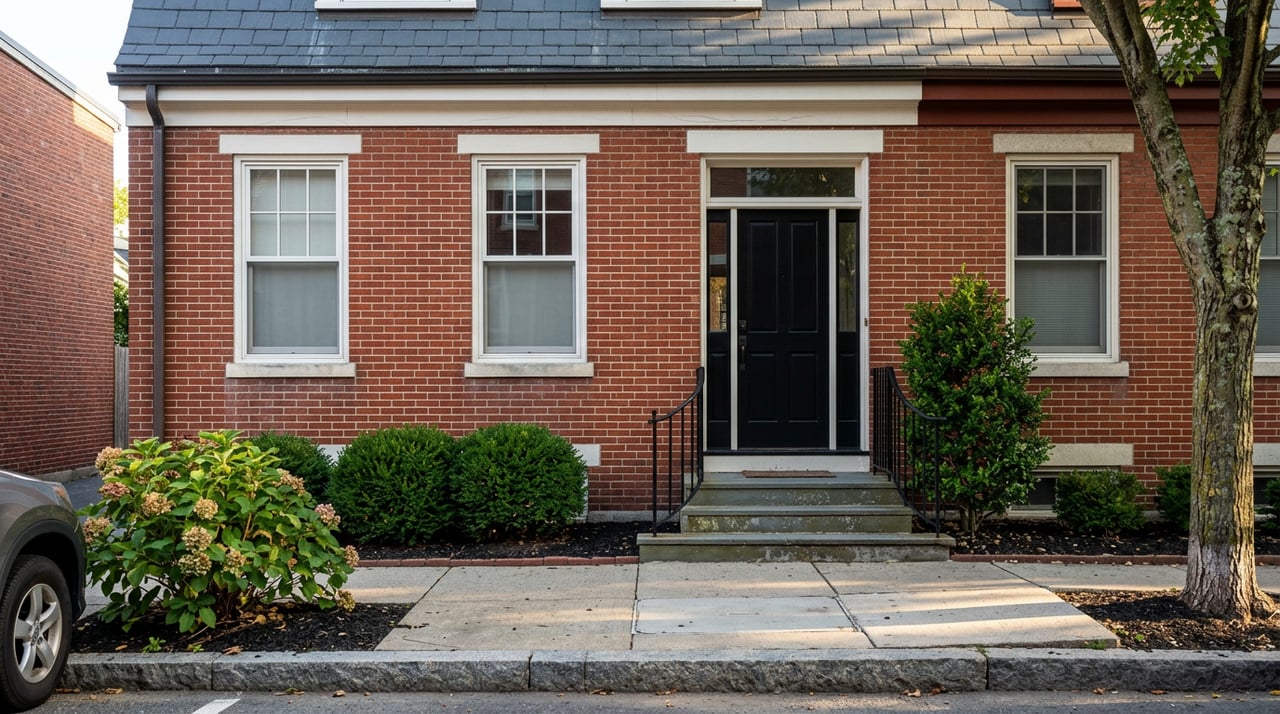
Wondering if life in Newburyport’s South End matches the way you want to live day to day? You might picture tree-lined streets, classic architecture, and quick walks to coffee and the waterfront. If that sounds close to your wishlist, this guide will help you weigh the tradeoffs that come with a historic, close-in neighborhood. You’ll learn what to expect with housing styles and lots, walkability and transit, parking and permits, pricing signals, and flood resilience so you can decide with confidence. Let’s dive in.
The South End sits just south of downtown Newburyport and near the Merrimack River waterfront, with the neighborhood often described in relation to Joppa and the Harbor boardwalk. Boundaries are informal at the neighborhood level, but the feel is distinctly residential with quick access to water and parks. If you are new to the city as a whole, a quick overview of Newburyport’s setting and history helps frame why the South End’s older streets and compact pattern look the way they do.
In practical terms, the South End includes blocks of historic homes, small neighborhood parks, and the adaptive-reuse Tannery Marketplace along Water and Merrimac Streets. Many homes are an easy walk to the river, the rail trail, and local shops.
Expect a mix of period homes and sensitively updated properties. Newburyport is known for First Period, Federal, Georgian, and Greek Revival architecture, and the South End has concentrations of these styles. Buyers who love original details will find a blend of intact historic features, later adaptations, and modern renovations documented by local preservation groups like the Newburyport Preservation Trust.
You will see single-family homes, attached rowhouses or townhouses, and condos, including some conversions of former mill and warehouse buildings near the Tannery. Listings often highlight walkability and proximity to the waterfront, and they call out features like private yards, driveways, and garages when available because those are not universal on older streets.
Many South End parcels are compact. If you prioritize a large lawn, garden, or multi-car driveway, you will more commonly find that in the North End or in outlying Newburyport neighborhoods. When yard size is a key factor, verify exact parcel dimensions with assessor records and walk the outdoor spaces in person to understand sun, privacy, and usable area.
Older homes can bring specialized needs. Plan for a thorough inspection and budget for potential upgrades to mechanicals such as HVAC, insulation, wiring, and plumbing. If you are considering exterior changes or larger projects, review local guidance on historic preservation and demolition-delay processes. The Preservation Trust’s buyer resources are a helpful primer for first-time historic-home shoppers (Historic House Buyer’s Guide).
A big draw of the South End is everyday convenience. The Clipper City Rail Trail is a paved, multi-use path that links the waterfront and downtown to the MBTA commuter-rail station. The city describes a connected trail and Harborwalk corridor of roughly 3.3 miles, with recent work focused on resiliency and missing links. It is a popular route for walkers, cyclists, and commuters (Clipper City Rail Trail & Harborwalk).
The Tannery Marketplace anchors a cluster of shops, cafés, and small services in historic mill buildings. During the season, a farmers’ market adds to the mix. Short, scenic strolls to Waterfront Park, Cashman Park, the Harbor boardwalk, and small pocket parks give the South End a semi-urban but coastal rhythm. You can explore ideas for local outings via Newburyport’s roundups of things to do.
Newburyport is the northern terminus of the MBTA commuter-rail line to Boston. From many parts of the South End, you can bike or walk toward the station using the rail trail. If you commute by car, the city provides a Park & Ride lot and local and regional bus connections. Schedules and permit availability can change, so confirm the latest commuter-rail frequency and parking options before you make daily plans.
Historic streets in the South End are charming and often narrow. Some homes have driveways or small garages, but many rely on on-street parking and municipal lots. That is why you will often see “off-street parking” called out in listing descriptions; it is a value driver in this location.
Newburyport operates several municipal lots and a downtown garage at Merrimac and Titcomb Streets. The city and local guides outline resident permits, monthly garage passes, and pay-parking enforcement windows. Summer tourism and downtown events increase demand, so lots fill earlier in peak season, and winter storm parking bans also affect where you can leave your car. For current hours and permit types, review the city’s parking information resources and confirm fees with the City Clerk or Parking office (parking guidance overview).
As of March 2026, neighborhood snapshots have placed the South End’s median listing or sales price near $1.2 million. That positions it within Newburyport’s higher-value, close-in segments, where price per square foot reflects walkable access to the waterfront and amenities. Inventory tends to be limited, and well-priced listings in desirable blocks often attract strong interest.
What does that mean for your search? Smaller historic homes and townhouses can command premiums because of location and presentation. Properties with larger yards, off-street parking, or a garage often trade at additional premiums. For the most accurate guidance, lean on recent MLS comps for your specific micro-area and home type, since neighborhood medians shift with each cycle of active listings.
Water proximity is both an amenity and an exposure. Parts of the South End and the Clipper City Rail Trail run beside the Merrimack River. The city has documented shoreline stabilization and rail-trail resiliency upgrades, including revetments, berms, and pump-station or diversion designs intended to address sea-level-rise and storm-surge risk (trail and resilience overview).
For any specific property, confirm whether it lies within a FEMA Special Flood Hazard Area and, if applicable, request any elevation certificates. Also verify whether the home is on municipal sewer or uses an on-site wastewater system. In Massachusetts, Title 5 governs septic systems; inspections and potential repairs follow state and local rules (Massachusetts Title 5 basics). Massachusetts generally follows a buyer-beware approach to disclosures, so targeted inspections and document requests are essential parts of due diligence.
Use this list to focus your tours and offer strategy:
If your priority is a historic, walkable lifestyle with coffee, the waterfront, and community spaces nearby, the South End delivers. You trade larger suburban lots for an intimate neighborhood feel, plus quick access to the rail trail and the Tannery. Parking can be a puzzle on some streets, and older homes may require specialized maintenance, but many buyers find the quality of life well worth it.
Ready to weigh your options or see on-market opportunities that match your must-haves? Download our Newburyport Guide or request a personalized plan with Dolores Person for expert, preservation-minded buyer representation.
Whether you're simply thinking of buying or selling a home, or know someone who is, we're here to ensure your real estate experience is a great one. Let us help you find your dream home or investment property.