Listing A Plum Island Cottage: Showcasing Character And Views
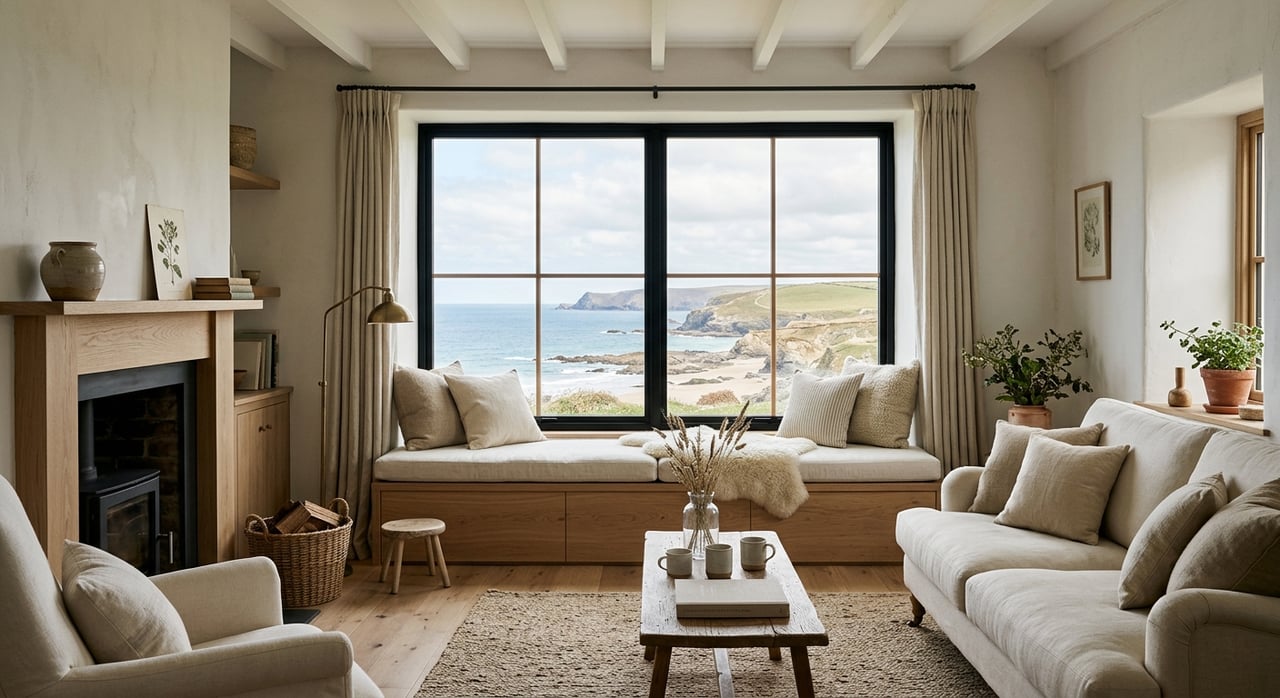
If you own a Plum Island cottage, you already know the sale is about more than square footage. Buyers are drawn to the feeling of the place, the light off the marsh, the ocean air, and the way a porch or deck can turn a simple home into a true coastal retreat. When you list well, you can honor that character while also answering the practical questions today’s buyers will ask. Let’s dive in.
Plum Island is not a one-note cottage market. It is a lifestyle-driven coastal setting shaped by beach, dune, marsh, tidal estuary, and wildlife habitat, with recreation tied to walking, biking, photography, and wildlife observation, according to Parker River National Wildlife Refuge materials.
That matters when you sell. Your listing needs to show not only the house itself, but also how the home lives within its setting. On Plum Island, buyers often respond to views, access, outdoor space, and retreat value just as strongly as they do to room count.
Town planning materials also note that the island includes both year-round and vacation residences, with a meaningful number of second homes used exclusively for personal use. That gives sellers an important clue: depending on the property, your buyer may be looking for a full-time residence, a seasonal getaway, or a second-home escape with a strong coastal identity.
A Plum Island cottage rarely wins by looking generic. If your home has original charm, cottage scale, distinctive rooflines, built-ins, beadboard, window seats, or a classic porch, those details should be part of the story.
The key is to pair charm with clarity. Buyers may love a cottage for its personality, but they still want to understand how the home functions day to day, what has been improved, and where the best sightlines are from inside and out.
Some of the strongest listing photos on Plum Island are the ones that explain context. Federal refuge materials describe the area through ocean views, dunes, tide pools, and marsh habitat, which is why listing imagery should help buyers understand the relationship between the home and the surrounding landscape.
That usually means highlighting:
For cottages with modest interiors, this matters even more. A compact home can feel far more compelling when the listing clearly shows where you drink coffee in the morning, where the evening light lands, and how the view unfolds from key rooms.
Plum Island buyers care deeply about beach access, but accuracy matters. Parker River National Wildlife Refuge guidance notes that access is limited to marked boardwalks and lots, and that portions of the beach close seasonally from April 1 into early August to protect nesting birds.
That means your listing should carefully describe whether the property offers views, proximity, shared access, or another access arrangement. It should never imply private beach rights unless that is clearly documented. Clear language builds trust and prevents disappointment later in the process.
One of the biggest mistakes a seller can make on Plum Island is treating broad market headlines as the full pricing strategy. The island is a small and highly specific market, so public numbers can vary sharply depending on source and timing.
For example, Redfin reported a Plum Island median sale price of $947,000 in February 2026, while another public snapshot in the same period showed a median home price above $1 million. At the same time, broader Newburyport and regional figures differ materially, and local reporting warns that one month of activity can look extreme when inventory is thin.
That is why pricing a Plum Island cottage should focus on:
In other words, your value is not just about beds and baths. On Plum Island, two homes with similar size can perform very differently based on setting, resilience, and presentation.
For coastal buyers, flood risk is not a side issue. It is one of the first things they will ask about, and the more directly you address it, the more credible your listing becomes.
Newburyport’s 2025 FEMA memo said there were no major or substantive flood-zone changes for the relevant area, but FEMA still treats locations with a 1% annual chance of flooding as special flood hazard areas. Massachusetts also states that standard homeowners policies do not cover flood damage, and lenders often require flood insurance.
Most serious buyers will want clear answers to a few practical questions:
Newburyport’s coastal storm information also advises residents to prepare for potential utility loss and access disruption, and city adaptation materials note that Plum Island Turnpike is almost entirely within FEMA’s 1% flood zone and experiences frequent flooding. For many buyers, especially second-home buyers, resilience and access are part of the purchase decision.
The takeaway for sellers is simple: transparency helps. A listing is stronger when it answers these questions with organized documentation instead of vague reassurance.
Plum Island properties often come with more technical background than inland homes. Development and rebuilding can be limited by overlay rules, protected coastal features, and prior permitting history.
Newbury planning documents state that development on Plum Island is constrained by the Plum Island Overlay District, including bedroom restrictions linked to a DEP consent order tied to public water and sewer installation. The same materials note that projects near dunes, wetlands, coastal banks, and other protected areas may require review by the local Conservation Commission and or DEP.
Before you go live, it helps to assemble a simple, buyer-friendly document package that may include:
This step is especially valuable for estate sales, inherited cottages, and long-held family properties. It reduces guesswork, supports disclosure, and gives buyers more confidence in what they are seeing.
Not every Plum Island cottage needs a major renovation before listing. In fact, over-improving can sometimes dilute the home’s character or fail to produce a strong return.
The smarter approach is usually to make the property feel well maintained, weather aware, and easy to trust. Massachusetts coastal guidance describes the shoreline as a harsh environment shaped by wind, salt spray, storms, and sandy soils, which is why visible maintenance carries real weight with buyers.
On a coastal cottage, practical exterior improvements often do more than cosmetic upgrades. Pay close attention to:
These updates help reassure buyers that the home has been cared for with coastal conditions in mind. The goal is not to erase the cottage feel. The goal is to show stewardship.
On Plum Island, landscaping should support the setting, not compete with it. Massachusetts coastal landscaping guidance notes that native plantings and buffers can help stabilize soil, reduce storm damage, and preserve habitat. It also points to salt-tolerant choices like bayberry and beach plum.
For sellers, that usually translates to a clean, restrained exterior presentation. Smaller shrubs and tidy plantings can help preserve views and sightlines, while heavy, overgrown landscaping may block the very features buyers came to see.
If your yard is visible in listing photos, think in terms of low-maintenance coastal polish. A buyer should be able to imagine enjoying the outdoors without feeling overwhelmed by upkeep.
Staging matters, even in a relaxed beach house. According to the National Association of Realtors 2025 staging report, 83% of buyers’ agents said staging made it easier for buyers to visualize a property as a future home, and 73% said photos were much more or more important to clients.
For a Plum Island cottage, the best staging is usually simple and airy. You want buyers to notice the light, the view, and the lifestyle, not the owner’s personal collections or too much furniture.
If you are prioritizing time and budget, focus on:
Use light textiles, clean surfaces, and a clear circulation path. If a room leads to a view or outdoor space, make that path obvious in person and in photos.
A strong Plum Island listing should balance emotion and evidence. Buyers may fall for the cottage charm first, but they decide with details.
That is why the best listing narrative usually combines three elements:
This is where a design-led marketing approach can make a real difference. Thoughtful photography, restrained staging, and clear property storytelling help buyers understand not just what the house is, but why it matters.
If you are thinking about selling a Plum Island cottage, the right plan should do more than make the home look good online. It should position the property honestly, highlight the setting with care, and answer the technical questions before they slow a buyer down. To build a personalized market plan for your home, connect with Dolores Person.
Whether you're simply thinking of buying or selling a home, or know someone who is, we're here to ensure your real estate experience is a great one. Let us help you find your dream home or investment property.