Plum Island Property: Second Home Or Full-Time Residence?
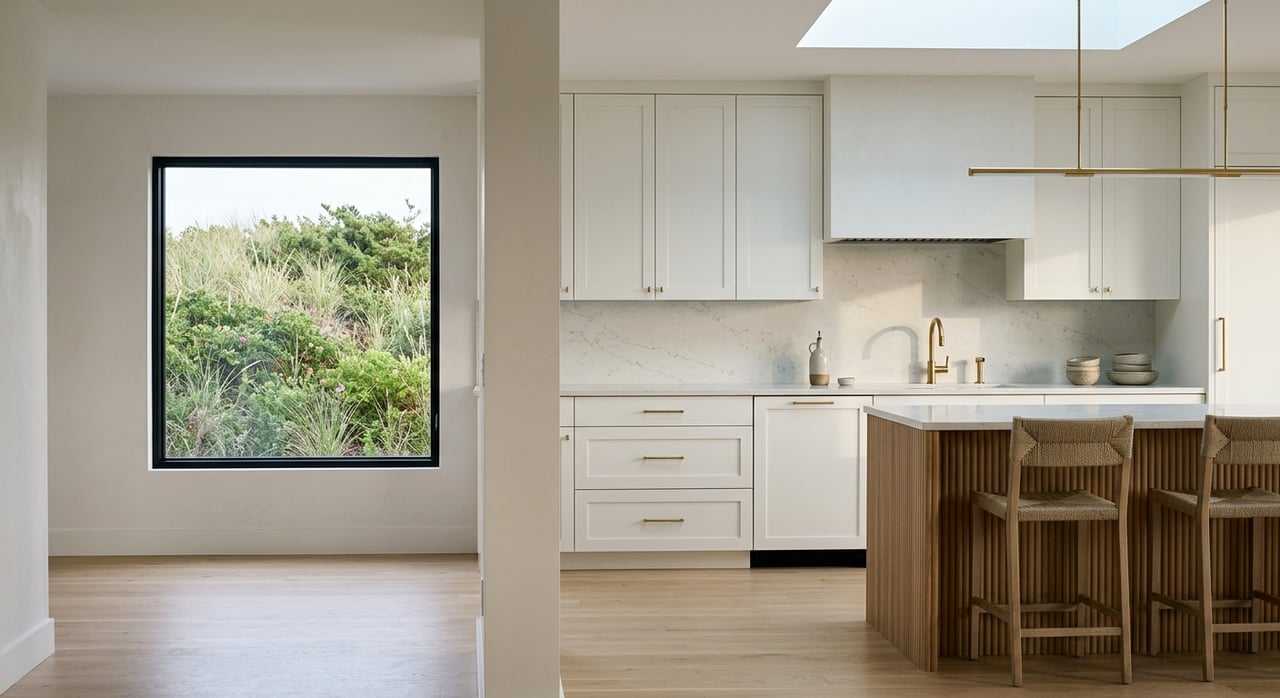
Wondering whether a Plum Island property makes more sense as a weekend escape or a full-time home? That is one of the biggest questions buyers face here, because on Plum Island, lifestyle and property ownership are closely connected. If you are considering a purchase, you need more than beach-day dreams. You need a clear picture of costs, upkeep, access, and local rules. Let’s dive in.
Plum Island is not just another coastal neighborhood. Newburyport describes it as a barrier beach with a protected dune and beach system, and notes that the shoreline is dynamic and constantly shaped by wind, waves, and tides. That means the appeal of island living comes with a very real need to think about coastal conditions from day one.
The island’s housing story also helps explain why buyers often debate second home versus full-time residence. According to the City of Newburyport, water and sewer installation began in 2004, and before that many properties were seasonal homes or cabins served by private wells and septic systems. Even today, Plum Island attracts both buyers looking for a getaway and those planning a year-round coastal lifestyle.
If you want a beach property you use part of the year, Plum Island can absolutely fit that goal. But seasonal ownership here works best when you treat it as an active management plan, not a simple lock-and-leave setup. Weather exposure, winterization, and utility planning all matter more than they might in an inland location.
Newburyport offers seasonal water turn-on and turn-off service, with at least 10 days’ notice required and a $75 charge per visit. The city also makes clear that homeowners are responsible for protecting the meter and service from freezing damage. If you plan to leave the property vacant for stretches of time, that operating detail should be part of your budget and planning.
Year-round living on Plum Island is possible, and many buyers are drawn to exactly that. Still, full-time ownership here often means a more hands-on approach than you would expect in a typical neighborhood off the coast. Storm conditions, access, and utility interruptions should all be part of your expectations.
Newburyport states that during storms, utilities may be temporarily shut down, especially sewer pits, and access along Plum Island Turnpike may be limited. At the same time, the city’s water division serves Plum Island and provides 24-hour on-call support. In other words, municipal infrastructure is in place, but coastal disruption remains part of the ownership model.
Some buyers want a property that supports personal use plus rental income. That can be appealing, but the practical side matters. Utility payments, occupancy patterns, insurance details, and ownership structure all need to line up.
Newburyport notes that unpaid water and sewer balances can become liens against the property. If you are thinking about leasing the home for part of the year, you will want to think carefully about how utilities are handled and when to involve an attorney and tax professional. A mixed-use plan can work, but only if the setup is clear from the start.
A Plum Island purchase price is only part of the financial picture. Carrying costs should be modeled separately so you can compare seasonal use and year-round use realistically. This is especially important if you are choosing between a second home and a primary residence.
For FY2026, Newburyport’s tax rate is $9.26 per $1,000 of assessed value. The city’s FY26 water and sewer schedule bills quarterly, with residential water starting at $7.53 per 100 cubic feet and sewer starting at $11.04 per 100 cubic feet. Those numbers are useful starting points, but they do not capture reserves for storm cleanup, periodic repairs, or winterization.
If you are planning seasonal use, add in utility service details too. Newburyport’s seasonal water turn-on and turn-off service costs $75 per visit and requires at least 10 days’ notice. That may sound minor, but on Plum Island, small operating costs often reflect larger planning needs.
Flood risk is not a side note on Plum Island. It is a major part of how you evaluate the property, your ownership costs, and your long-term plans. Whether you are buying for weekends, retirement, or daily living, you need parcel-level clarity.
Newburyport’s homeowner guidance says new or substantially improved structures generally must be elevated at least two feet above FEMA flood elevation or the ground surface, whichever is higher. The city also proposed updates in 2025 to its Floodplain Overlay District Regulations to incorporate updated FEMA Flood Insurance Rate Maps and related requirements. Because flood rules and maps can change, buyers should verify the specific parcel rather than rely on an old listing or general assumptions about the area.
Newburyport’s beach management plan also highlights the longer-term coastal picture. In some areas, severe dune erosion led to 50 to 100 feet of dune retreat over the previous 5 to 10 years, and much of the beach and dune area lies within land subject to coastal storm flowage. That does not mean you should not buy on Plum Island. It means you should buy with a realistic understanding of the setting.
One of the biggest surprises for some buyers is how regulated exterior work can be on Plum Island. Newburyport says all construction requires either a building permit, Conservation Commission approval, or both. That rule affects not only major renovations, but often the smaller outdoor changes owners might expect to handle easily elsewhere.
The city’s homeowner guide notes that decks, sheds, fences, and similar exterior work are tightly regulated to preserve room for dune movement and storm flow. Landscaping is regulated with the same coastal logic in mind. Newburyport encourages native beach vegetation, discourages lawn-style landscaping, and requires Plum Island fences to be at least 80% open in the first two feet and 50% open above that.
For buyers, the key point is simple: ordinary suburban improvement assumptions may not translate cleanly here. If you see a property as a long-term project, a full-time residence with upgrades, or a second home you want to customize, permit and design feasibility should be checked early.
The right choice often comes down to how honestly you answer a few practical questions. Plum Island can work beautifully as a second home or a year-round residence, but the fit depends on your budget, time, and comfort with active ownership.
Here are four smart questions to ask early:
These questions can save you time and reduce surprises. They also help you compare one property to another in a more useful way than simply focusing on price or square footage.
If you picture Plum Island as a second home, focus on vacancy planning, winterization, utility scheduling, and your willingness to manage a coastal property from a distance. A seasonal property here can be rewarding, but it works best when you build the ownership model around real operating needs. The more often the home sits empty, the more important those systems become.
If you picture Plum Island as a full-time residence, think about your comfort with storm awareness, maintenance routines, and access limitations during certain weather events. Full-time living can offer a strong daily connection to the coast, but it also asks for flexibility and preparation. The rewards are real, and so are the responsibilities.
In either case, Plum Island is best approached as a place where stewardship matters. The right property can be wonderful, but the right match comes from understanding the parcel, the rules, and the long-term ownership picture before you commit.
If you are weighing a Plum Island purchase and want local guidance grounded in Newburyport market knowledge, Dolores Person can help you compare properties, ask sharper questions, and make a decision that fits how you actually plan to live.
Whether you're simply thinking of buying or selling a home, or know someone who is, we're here to ensure your real estate experience is a great one. Let us help you find your dream home or investment property.