Plum Island vs. Downtown: Which Fits Your Lifestyle?
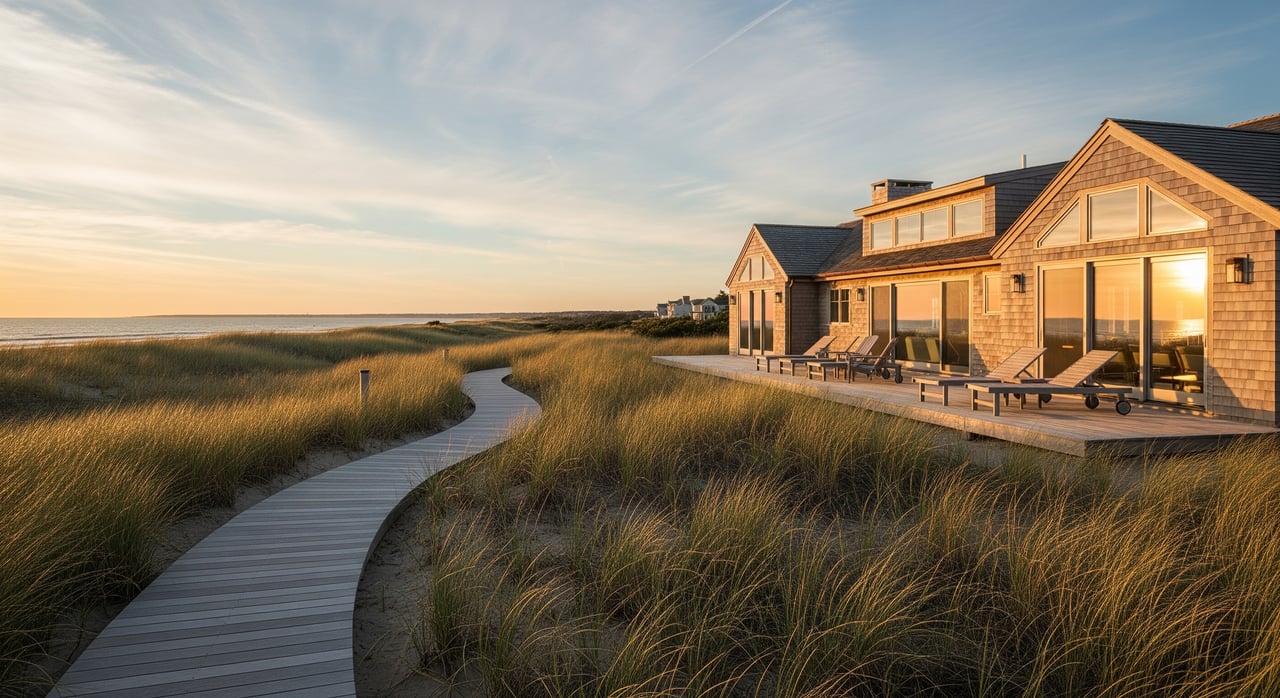
Do you picture sunrise beach walks or coffee on a brick-lined square? If you are choosing between Plum Island and downtown Newburyport, you are weighing two great lifestyles that feel very different day to day. Both deliver coastal New England charm, but the pace, housing stock, transportation, and practical considerations vary. In this guide, you will learn how each area lives, what homes you will find, and the key factors that help buyers make a confident choice. Let’s dive in.
| Feature | Plum Island | Downtown Newburyport |
|---|---|---|
| Housing types | Mostly single-family beach cottages and bungalows, some year-round homes | Mix of condos, rowhouses, historic single-family homes, converted mill units |
| Walkability for errands | Low for daily errands, walking is mostly recreational | High in the core downtown for shops, dining, waterfront, and services |
| Dining and services | Limited on-island options, many trips to town | Year-round restaurants, cafés, boutiques, and services |
| Recreation | Beach access, birding, dunes, fishing, refuge trails | Riverfront boardwalks, harbor activities, parks, events |
| Seasonality | Highly seasonal with summer crowds and quiet winters | Active year-round with a summer bump in visitors |
| Parking | Private driveways common, seasonal street/beach rules | On-street regulations and municipal lots, permits in some areas |
| Transit and commute | Car dependent, single causeway access | MBTA commuter rail terminus in town, strong for commuters |
| Flood risk and insurance | Higher exposure to coastal flooding and storm surge, often in FEMA flood zones | Flood risk varies by block near the waterfront, check maps |
| Best fit | Outdoor-focused buyers who want a beach lifestyle | Buyers who want walkability, dining, culture, and transit access |
If you want beach access out your front door, birding, and big-sky sunsets over salt marsh, Plum Island is a strong match. Many buyers here are second-home owners, retirees, or year-round residents who embrace a quieter, outdoorsy routine. Privacy and proximity to nature lead the list of priorities.
Homes on Plum Island are predominantly modest-footprint, single-family cottages and bungalows, some originally built for summer use. Many have been renovated or expanded over time. You will see fewer multi-unit or condo buildings. The island’s built environment is low-rise, and large sections are bordered by the Parker River National Wildlife Refuge, which shapes land use and visitor patterns.
Life here runs on beach and tide. Summer brings a surge of visitors, with more traffic and parking demand near public access points. Off-season, services thin out and the rhythm slows, which many residents value. Groceries, medical appointments, and most errands mean a quick drive to Newburyport or nearby towns.
Plum Island connects to the mainland via a single causeway and bridge. Expect seasonal delays during summer and on peak beach days. Most homes provide on-site parking, but you should check seasonal street and beach parking rules for guests. Commuters typically drive into Newburyport for the MBTA Newburyport/Rockport Line or continue by car to jobs elsewhere.
As a barrier island, Plum Island is more exposed to storm surge, coastal flooding, and wave action. Many properties fall within FEMA flood zones and may require flood insurance through the National Flood Insurance Program or private carriers. Smart due diligence includes reviewing FEMA Flood Insurance Rate Maps, NOAA sea level rise tools, and local floodplain standards, then pricing insurance and mitigation early.
Coastal and wetland regulations often apply. Renovations, expansions, or new construction can trigger conservation review and permitting. Plan ahead for timelines and requirements, especially near sensitive dunes, marsh, or refuge boundaries.
If you want to walk to dinner, browse boutiques, and catch the train to Boston, downtown living fits well. Many buyers here are commuters, professionals, or downsizers who value low-maintenance homes and a lively but small-scale urban experience.
Downtown offers a broad mix: condominiums, classic rowhouses, converted mill or warehouse units near the waterfront, plus historic single-family homes in Federal, Colonial, and Victorian styles. These options provide vertical living and lower-maintenance choices, which appeal to first-time buyers and downsizers.
Core downtown blocks are highly walkable. You can get to restaurants, cafés, galleries, parks, the riverfront boardwalk, and essential services on foot. The social calendar spans all seasons, with festivals, markets, and community events that keep the area active beyond summer.
Parking mixes on-street regulations with municipal lots and garages. Some blocks use resident permits or set time limits. The MBTA Newburyport/Rockport Line terminus is in town, a major advantage for commuting to Boston or visiting neighboring coastal communities.
Certain waterfront or low-lying blocks may experience tidal or storm-related flooding. Risk varies by micro-location and elevation, so review flood maps for specific properties. In historic districts, exterior changes often require local historical commission review. Preservation guidelines help retain the downtown’s architectural character.
Use this list to compare properties on both sides of the river and island.
Choosing between these two great lifestyles is easier with local, preservation-savvy guidance. Our team understands historic-infill condos and rowhouses downtown as well as the technical realities of coastal cottages on Plum Island. We help you:
Ready to explore both options and see what fits your life best? Connect with Dolores Person to set up a tailored tour or to request our Newburyport guide and a personalized market plan.
Whether you're simply thinking of buying or selling a home, or know someone who is, we're here to ensure your real estate experience is a great one. Let us help you find your dream home or investment property.