Selling A Historic South End Home With Confidence
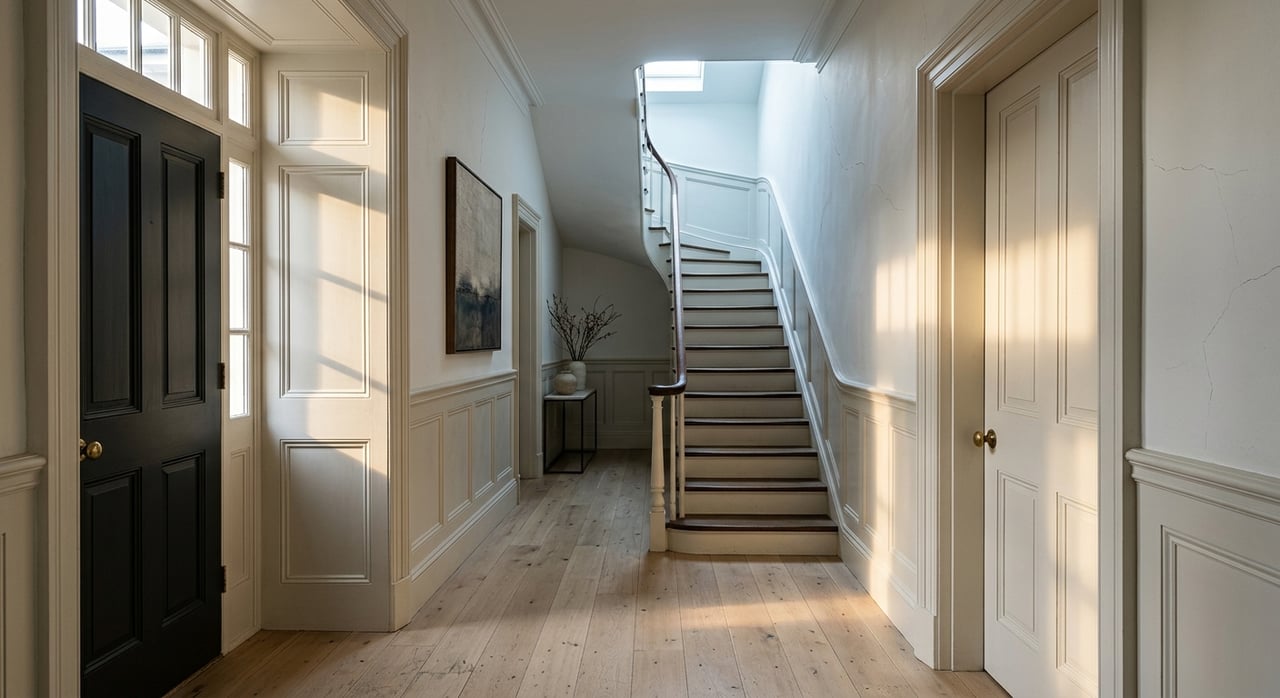
Worried that selling a historic home in Newburyport’s South End will feel more complicated than rewarding? You are not alone. Many owners want to protect the story and character of their home while also avoiding surprises during the sale. The good news is that with the right preparation, your home’s history can become a real advantage. Here is how to sell with clarity, confidence, and a stronger buyer story.
Newburyport’s South End is one of the city’s oldest residential areas, shaped by waterfront commerce, shipbuilding, mills, and later reinvestment. The city’s master plan notes that the National Register Historic District spans much of the South End and includes more than 2,500 properties. That history matters because buyers often see the South End as a place where architecture, setting, and stewardship all come together.
At the same time, historic status can be misunderstood. In most South End cases, homeowners are not dealing with a local historic district like Fruit Street. Instead, sellers are more often navigating the National Register context along with Newburyport’s overlay and demolition review framework.
A common point of confusion is whether National Register listing automatically restricts a private owner. By itself, it does not create blanket restrictions for private homeowners. Still, local rules may affect demolition, exterior changes, or projects tied to local review.
In Newburyport, the Historical Commission reviews demolition-delay applications and certain other projects in the historic district context. City guidance also notes that contributing structures may be subject to Downtown Overlay District or Demolition Control Overlay District regulations. For a seller, this means buyers may ask what future changes could require review, so it helps to be ready with accurate expectations.
Historic homes tend to reward preparation. Before your home hits the market, it is smart to gather the compliance items and property records that buyers are likely to ask about. This can reduce stress later and help your listing feel more credible from day one.
Massachusetts also now requires a separate written home-inspection disclosure before or at the signing of the first purchase contract. Sellers and agents cannot condition a sale on the buyer waiving inspection rights. The state also notes that pre-listing inspections are allowed, which can be useful if you want a clearer picture of your home before negotiations begin.
For many older South End homes, these are the most important items to check before listing:
Each home is different, but getting ahead of these items can help you answer buyer questions with confidence instead of guesswork.
When owners prepare a historic property for sale, it can be tempting to over-update. In South End homes, that is not always the best move. Newburyport’s preservation guidance consistently points owners toward repair-first decisions that protect historic character.
That often means the most valuable pre-sale work is not flashy. It is the practical work that signals stewardship, such as addressing roof leaks, failed flashing, peeling paint, drainage issues, and deferred maintenance. Buyers respond well when a home feels cared for, even if every feature is not brand new.
Original windows are often one of the first features buyers notice in a historic home. Newburyport’s guidance says original or later windows should be retained and repaired except when they are beyond repair. If replacement is necessary, the city advises that replacements should be all wood and match the existing window’s dimensions, design, and pane count.
The same guidance says vinyl, aluminum, and metal replacement sash are generally not appropriate. If your goal is better performance before listing, storm windows and weatherstripping are often more compatible options. They can improve comfort without erasing the architectural details that make the home stand out.
Brick and masonry details can add major appeal in the South End, but only if they have been maintained correctly. Preservation guidance from both Newburyport and the National Park Service favors compatible mortar and careful repair methods. Hard modern mortar can damage older brick, and abrasive treatments like sandblasting can harm historic masonry.
If your home has visible brickwork, chimneys, or foundation areas, it is worth making sure past repairs were done thoughtfully. Buyers may not know the technical terms, but they often recognize when masonry looks intact, consistent, and appropriate to the age of the home.
One of the best ways to sell a historic South End home with confidence is to document your stewardship. Buyers tend to feel more comfortable when they can see what has been preserved, what has been repaired, and what has been replaced. Good records also help support value during the showing process and later during due diligence.
A practical seller file may include:
If the property has a preservation restriction, include the recorded restriction documents as well. Newburyport’s Historical Commission maintains a public list of restricted properties, so this is especially important to verify early.
A strong listing for a South End home should do more than mention age and charm. Buyers want a clear, factual story about authenticity, condition, and readiness. That is where thoughtful presentation makes a difference.
Instead of framing the property like a museum piece, focus on the qualities buyers can understand and appreciate: original proportions, wood sash, brick, trim, and historic layouts that have been maintained over time. Pair those features with proof of care, code readiness, and documented improvements. That combination tends to be far more persuasive than charm alone.
Expect buyers to raise practical questions such as:
When you have these answers ready, your home feels easier to understand and easier to trust.
Historic homes benefit from marketing that highlights both architecture and livability. In a place like the South End, buyers often respond to details like natural light, original woodwork, brick, trim, sightlines, and room proportions. Presentation should help those features feel intentional, clean, and well preserved.
That is why thoughtful staging, strong photography, and a well-organized property narrative matter. For a historic listing, the goal is not to make the home feel generic. It is to help buyers see how historic character and everyday function can live together.
Selling a historic South End home is rarely about hiding complexity. It is about organizing it. When you understand the local preservation framework, address key compliance items, document your work, and present the home with care, history becomes an asset instead of an obstacle.
In Newburyport’s South End, buyers are often drawn to homes with a real sense of place. The sellers who do best are usually the ones who can show that their home has been respected, maintained, and honestly represented. If you want a sale that protects both value and legacy, preparation is what creates confidence.
If you are preparing to sell a historic home in Newburyport, Dolores Person can help you create a personalized market plan that respects your home’s character and positions it for a strong result.
Whether you're simply thinking of buying or selling a home, or know someone who is, we're here to ensure your real estate experience is a great one. Let us help you find your dream home or investment property.