The Lowell Data Center No One Agreed To — and the Real Cost of the AI Boom
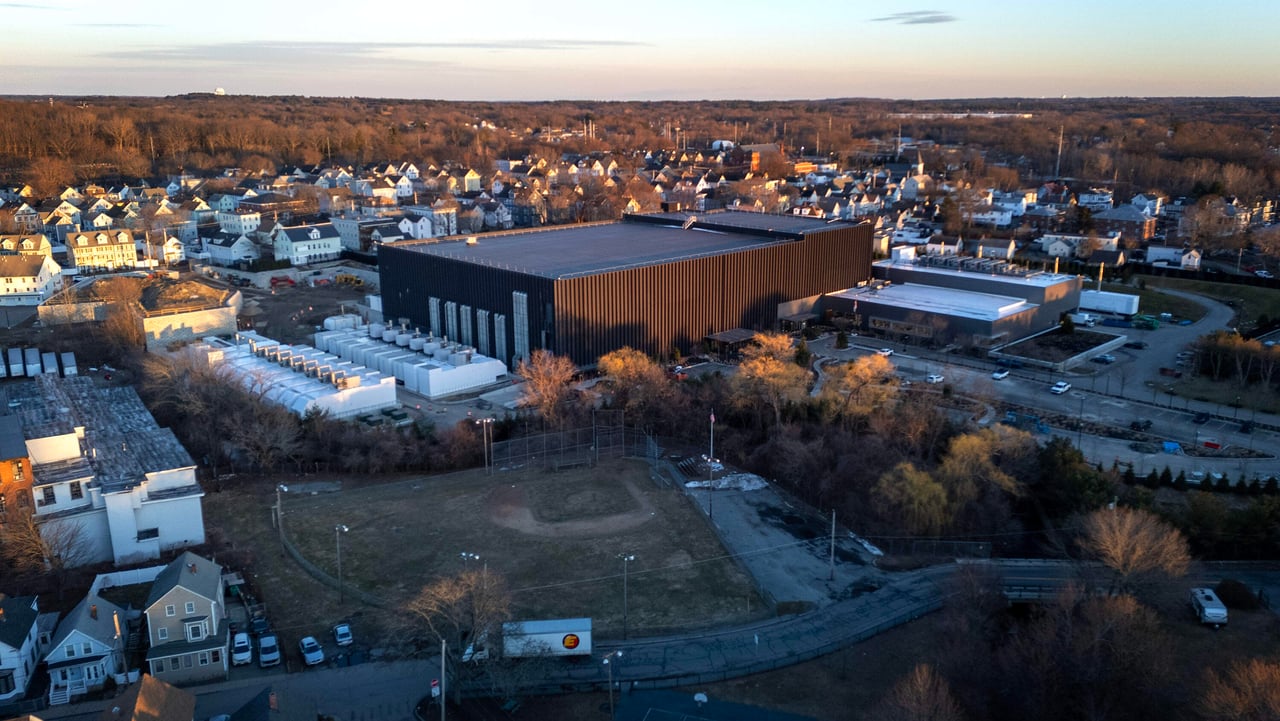
Unlike Nottingham, New Hampshire — where organized opposition got a proposed data center withdrawn before a vote — Lowell, Massachusetts is dealing with a data center that residents feel they never actually agreed to. The project raises questions that go well beyond Lowell, touching on air quality, water use, and the broader environmental and financial cost of the AI infrastructure boom.
The core complaint in Lowell isn't just about the data center itself — it's about process. Residents describe a sense that the project moved forward without the kind of community input or consent that a facility of this scale and impact should require. That's a meaningful distinction from Nottingham, where a visible, organized campaign shaped the outcome before construction. In Lowell, the concern is that the decision-making process itself sidestepped the community.
The specific complaints from nearby residents are concrete and sensory, not abstract: degraded air quality from continuous industrial-scale cooling and backup generator systems, concerns about well water in areas near the facility, and light pollution from a site that runs at full operational intensity around the clock — including bright lighting visible from nearby homes at 3 a.m. These are the kinds of quality-of-life complaints that don't show up in a zoning board's technical review but matter enormously to the people living next door.
Data centers, by design, don't power down at night. They run continuously, which means any noise, light, or air quality impact is a 24/7 condition for neighboring properties, not something that eases during off-hours the way a typical commercial or industrial use might.
Zoom out, and the Lowell data center is a small piece of an enormous financial story: hyperscale data center campuses are part of a roughly $670 billion wave of AI infrastructure investment, much of it backed by some of the largest technology companies in the world. These projects often come with substantial tax breaks and incentives from the municipalities and states hosting them — the same kind of incentive packages historically used to attract manufacturing plants or corporate headquarters.
That creates a tension local officials have to weigh directly: significant tax incentives in exchange for a facility that generates relatively few permanent jobs, consumes enormous amounts of electricity and water, and, as Lowell residents are describing, can meaningfully affect quality of life for immediate neighbors.
The environmental cost of AI infrastructure — enormous electricity draw, heavy water use for cooling, and substantial embodied carbon in construction — usually gets discussed in the abstract, at a national or global scale. Lowell is a reminder that these costs land somewhere specific: a neighborhood, a well, an air shed. And increasingly, it's a younger generation raising the loudest objections. The sentiment coming out of these fights is unmistakable: Gen Z, in particular, is not having it, pushing back hard against the idea that AI's infrastructure needs should simply be absorbed by whichever community has available land and permissive zoning.
As AI infrastructure investment continues at this scale, expect more towns across our region to face proposals like Lowell's and Nottingham's. The contrast between the two outcomes — withdrawn in Nottingham after organized opposition, moving forward in Lowell with ongoing resident frustration — suggests that how early and how organized a community's response is may matter as much as the underlying merits of a given project. For homeowners near any proposed site, that's worth understanding well before a shovel goes in the ground.
Concerned about a proposed development near your home or a property you’re considering? Get in touch with the Person + Person Group — we’re following these stories as they develop.
Listen on Apple Podcasts
Listen on Spotify
Whether you're simply thinking of buying or selling a home, or know someone who is, we're here to ensure your real estate experience is a great one. Let us help you find your dream home or investment property.