The Riverbend Project in Bradford
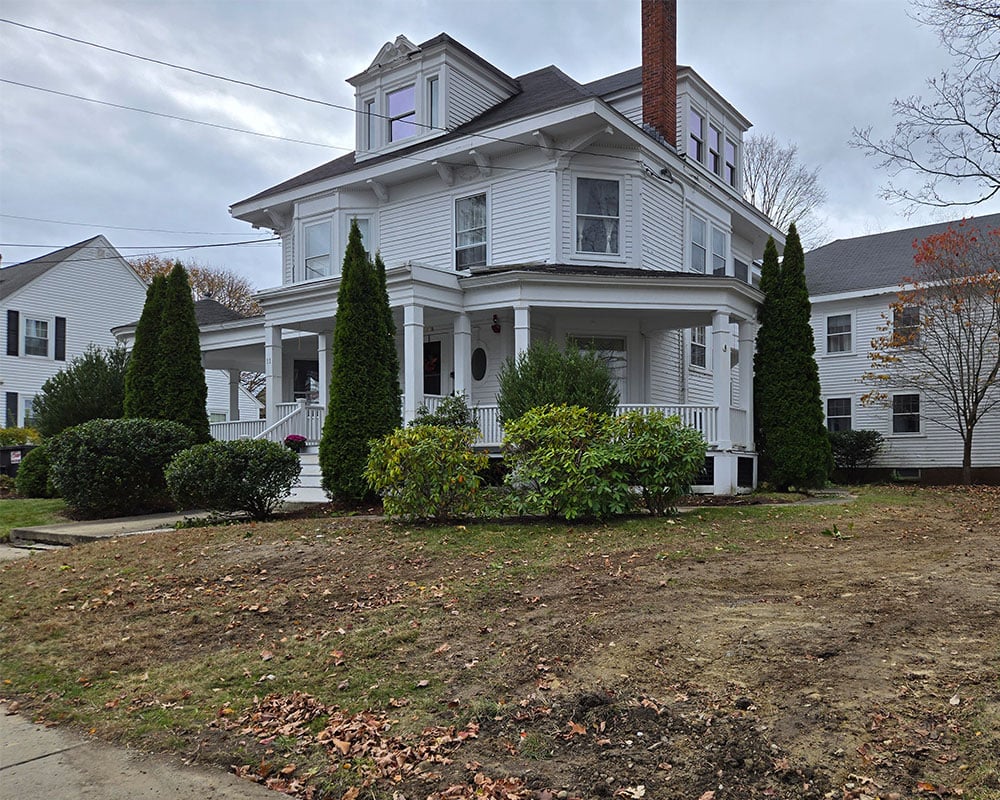
What is the Riverbend project in Bradford?
The Riverbend project in Bradford is a proposal for a licensed residential treatment facility, which has sparked community debate around zoning, neighborhood fit, and how towns evaluate supportive uses.
The Riverbend proposal has become a flashpoint in Bradford, not because of a new building or a major development, but because of the use being proposed and how that use is regulated under state and federal law. The project centers on whether a residential treatment facility is an appropriate fit for the neighborhood and how much discretion the city has in approving or denying it.
Why this proposal has generated so much reaction
Facilities that provide treatment or supportive services often trigger strong reactions rooted in fear, stigma, or misunderstanding. In Bradford, concerns raised publicly include safety, oversight, and how the use might affect neighborhood dynamics. Supporters point out that licensed treatment facilities operate under strict regulations and provide needed services in the region.
This tension isn’t unique to Bradford. Communities across Massachusetts regularly wrestle with how to balance neighborhood concerns with broader public health and housing needs.
What zoning and state law have to do with this
A major part of the Riverbend debate centers on zoning authority and legal protections for certain types of uses. In Massachusetts, some uses connected to education, healthcare, and treatment can be protected under state and federal law, limiting a municipality’s ability to deny them outright.
That legal framework doesn’t remove all local review, but it does shape what cities and towns can regulate. Much of the frustration expressed locally stems from the perception that residents have limited control over outcomes once certain legal thresholds are met.
How misinformation shapes public reaction
One reason controversies like Riverbend escalate is the speed at which misinformation spreads. Social media posts and word-of-mouth can blur distinctions between different types of residential programs and regulatory requirements. When people don’t have clear information, fear fills the gap.
Clear communication about what’s being proposed, how it’s regulated, and what oversight exists is often the difference between productive community dialogue and entrenched opposition.
Why this matters for homeowners, buyers, and sellers
Even when a proposal doesn’t change physical density or neighborhood layout, public controversy can affect perception. Buyers often ask about nearby uses and community sentiment. Sellers worry about how highly publicized debates might influence buyer confidence.
Understanding the real scope of the Riverbend proposal — and separating facts from rumor — helps homeowners and buyers make grounded decisions instead of reacting to headlines.
What happens next
Projects like Riverbend move through permitting, licensing, and compliance processes shaped by state and federal law. Community feedback can influence operational conditions and community engagement practices, but legal frameworks ultimately guide what municipalities can require.
Over time, many projects that initially spark controversy become part of the local fabric, with far less impact than early fears suggest.
Frequently asked questions: Riverbend project in Bradford
What is the Riverbend project in Bradford?
It is a proposal for a licensed residential treatment facility, which has raised questions about zoning, neighborhood fit, and local authority.
Why is the Riverbend project controversial?
Because treatment facilities often raise concerns about safety, oversight, and neighborhood impact, even when they operate under strict regulations.
Can the city deny the Riverbend project outright?
State and federal law limit how municipalities can deny certain protected uses, which shapes what local boards can approve or restrict.
Is the controversy mostly about zoning?
Zoning is part of it, but community concerns and perceptions about supportive uses play a major role in the debate.
How could this affect nearby home values?
Perception and public narrative tend to matter more than actual physical change. Clear information helps prevent fear-driven reactions from shaping buyer sentiment.
▶ Watch the Instagram Reel
Catch the quick-hit highlights and visuals from this topic.
▶ Watch the full YouTube video
Get the complete conversation, nuance, and local context.
🎧 Listen to the Unlisted podcast
Prefer audio? Listen to the full episode wherever you get your podcasts.
Whether you're simply thinking of buying or selling a home, or know someone who is, we're here to ensure your real estate experience is a great one. Let us help you find your dream home or investment property.