What It’s Like To Live In Newburyport’s North End
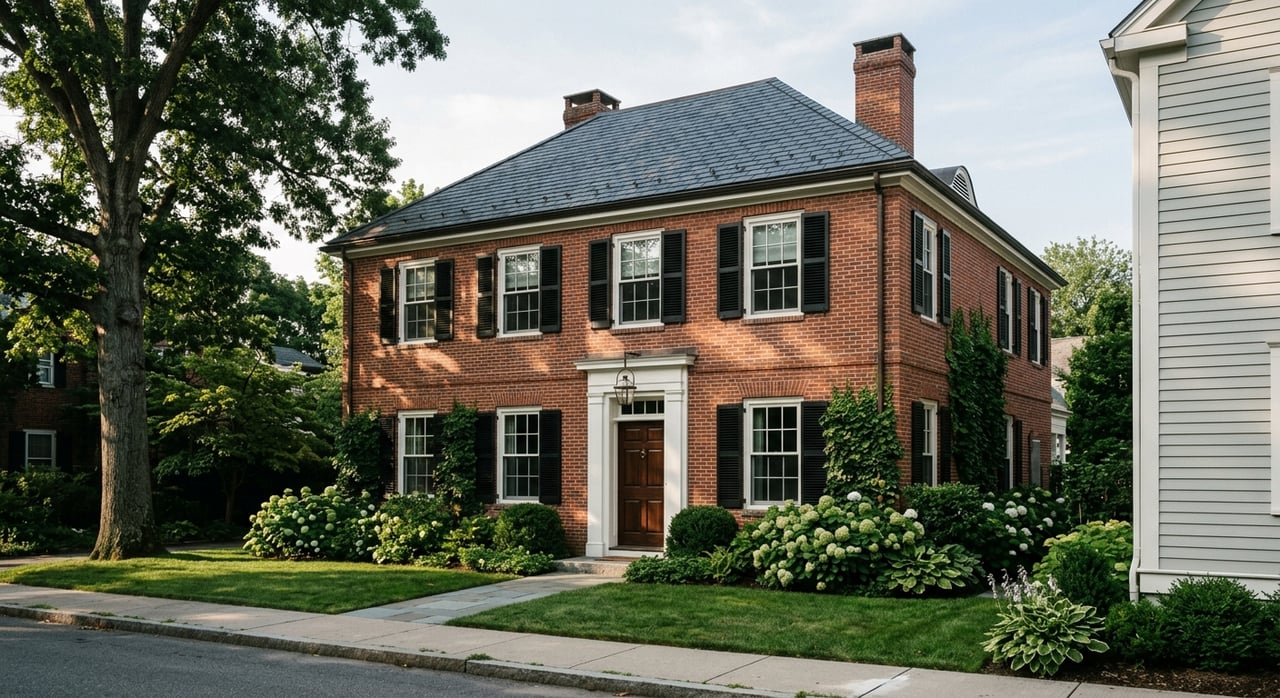
If you are drawn to Newburyport but want a neighborhood that feels residential, connected, and full of character, the North End deserves a closer look. This part of the city offers a blend of historic fabric, everyday convenience, and access to the wider Newburyport lifestyle without placing you in the middle of the busiest retail blocks. If you are wondering what living there actually feels like, this guide will help you picture the pace, housing mix, and daily rhythm. Let’s dive in.
Newburyport’s official planning documents place the North End among the city’s traditional neighborhoods around the urban core. It shares early roots with the South End and has a similar sense of density and architecture, but it does not read as a one-era district.
That matters if you value character without expecting every block to feel frozen in time. In the North End, you are more likely to see a layered neighborhood pattern, with older homes, later-period buildings, and streets that reflect different moments in the city’s growth.
The city’s master plan also describes Newburyport as an urban core surrounded by traditional neighborhoods, with only small pockets of commercial and industrial activity outside the main center. In practical terms, that gives the North End a primarily residential feel while still keeping you close to the services and destinations many buyers want.
One of the North End’s biggest strengths is its relationship to Newburyport’s historic identity. Parts of the neighborhood fall within the city’s National Register Historic District, and the city specifically calls for preserving the historic character of older neighborhoods like the North End while making sure new development complements that character.
For you as a buyer or homeowner, that often translates into a setting where architectural character still matters. The city’s Historical Commission is the official board charged with protecting, preserving, and promoting historic structures, neighborhoods, and landscapes, which reinforces the importance of stewardship in this part of town.
This does not mean the neighborhood is a museum piece. Instead, it suggests a place where historic homes and streetscapes remain an important part of daily life, even as the city continues to evolve.
The North End housing stock is broader than many people expect. According to the city’s assessor-based inventory dated December 31, 2014, the neighborhood included 1,754 single-family homes, 211 condominiums, 144 two-family homes, 27 three-family homes, and 30 multifamily properties.
Those numbers show a neighborhood still anchored by detached homes, but not limited to them. If you are searching for a condo, a smaller property, or a multi-unit building, the North End may offer more variety than a simple drive-through suggests.
That mix also helps explain the neighborhood’s visual texture. Rather than feeling uniform, the streetscape can feel layered, with older houses, multi-unit properties, and homes from periods around World War II all contributing to the overall look and feel.
Living in the North End can feel connected without feeling overly busy. The neighborhood is not centered on heavy commercial traffic, yet it benefits from strong access to downtown, the waterfront, and other everyday destinations.
A big reason is the Clipper City Rail Trail. Its first phase is in the North End, and the completed 3.35-mile loop now travels around downtown Newburyport, connecting the MBTA commuter rail station with the waterfront, multiple parks, and densely developed neighborhoods.
The city also notes that the trail has side-street connections and places bakeries, coffee shops, and restaurants a short distance away. For many residents, that supports a lifestyle where you can move through town more easily and enjoy local amenities without relying on a purely car-based routine.
If you like having outdoor options close to home, the North End benefits from its place within Newburyport’s larger park and trail network. The city’s parks system includes Atkinson Common and Cashman Park, and the rail trail provides another straightforward connection into more waterfront-oriented parts of town.
That means your free time can look flexible. You might head out for a walk, use the trail for a bike ride, or connect into other parts of the city without making every outing a full event.
For many buyers, this is part of the North End’s appeal. It offers an in-town residential setting with easier access to open space and movement than you might expect from an older neighborhood.
For commuters or anyone who wants regional access, Newburyport’s transportation network adds another layer of convenience. The city identifies MBTA commuter rail, MeVa bus service, and highway access via I-95, Route 1, and Route 1A as part of the local transportation picture.
The older parts of Newburyport also include a traditional urban grid, sidewalks, and bicycle lanes or routes along High Street and Water Street. New off-road multi-use pathways have also been built along the riverfront and former rail corridors.
If your routine includes commuting, visiting nearby North Shore communities, or simply wanting options for how you move through town, that infrastructure can make the North End feel especially practical. You get the appeal of an established neighborhood with access points that support modern daily life.
Some buyers wonder whether Newburyport’s newer housing changes the feel of older neighborhoods. The broader city context is helpful here.
The city approved a Smart Growth District around the MBTA station to encourage redevelopment into multifamily condos, rental apartments, and mixed-use buildings near transit. While that is not the same as saying the North End itself is becoming one uniform development zone, it does help explain how newer housing in the greater Newburyport area fits alongside the city’s older neighborhood structure.
In other words, the North End remains best understood as part of a historic, residential in-town pattern. Newer construction in the wider city supports housing choice and transit-oriented growth, while the North End continues to be shaped by its traditional neighborhood identity.
Based on the city’s land-use, preservation, and transportation plans, the North End is best understood as a residential, historic, in-town neighborhood with easy access to trail amenities, downtown services, and commuter infrastructure. That makes it appealing for a wide range of buyers.
You may be a good fit if you want a settled neighborhood feel and do not need to live directly in the city’s main retail core. You may also appreciate the area if architectural character matters to you, or if you want a location that offers both neighborhood quiet and convenient access to the rest of Newburyport.
For some buyers, the draw is the housing variety. For others, it is the ability to enjoy historic surroundings while still feeling connected to the waterfront, downtown, the rail station, and the city’s broader transportation network.
The North End stands out because it offers more than one simple lifestyle pitch. It can appeal to someone looking for a classic Newburyport setting, someone seeking a condo or smaller home with in-town access, or someone who wants a neighborhood where old and new layers coexist in a natural way.
That kind of nuance matters when you are deciding where to focus your search. A neighborhood with strong character, practical access, and a broad housing mix can give you more flexibility over time.
If you are considering a move in Newburyport, it helps to work with an advisor who understands not just pricing and inventory, but also how neighborhood character, preservation context, and housing type affect long-term fit. If you want local insight tailored to your goals, Dolores Person can help you explore what makes the North End, and Newburyport as a whole, a smart match for your next move.
Whether you're simply thinking of buying or selling a home, or know someone who is, we're here to ensure your real estate experience is a great one. Let us help you find your dream home or investment property.