Why the Newburyport Mayoral Race Became So Heated
newburyport
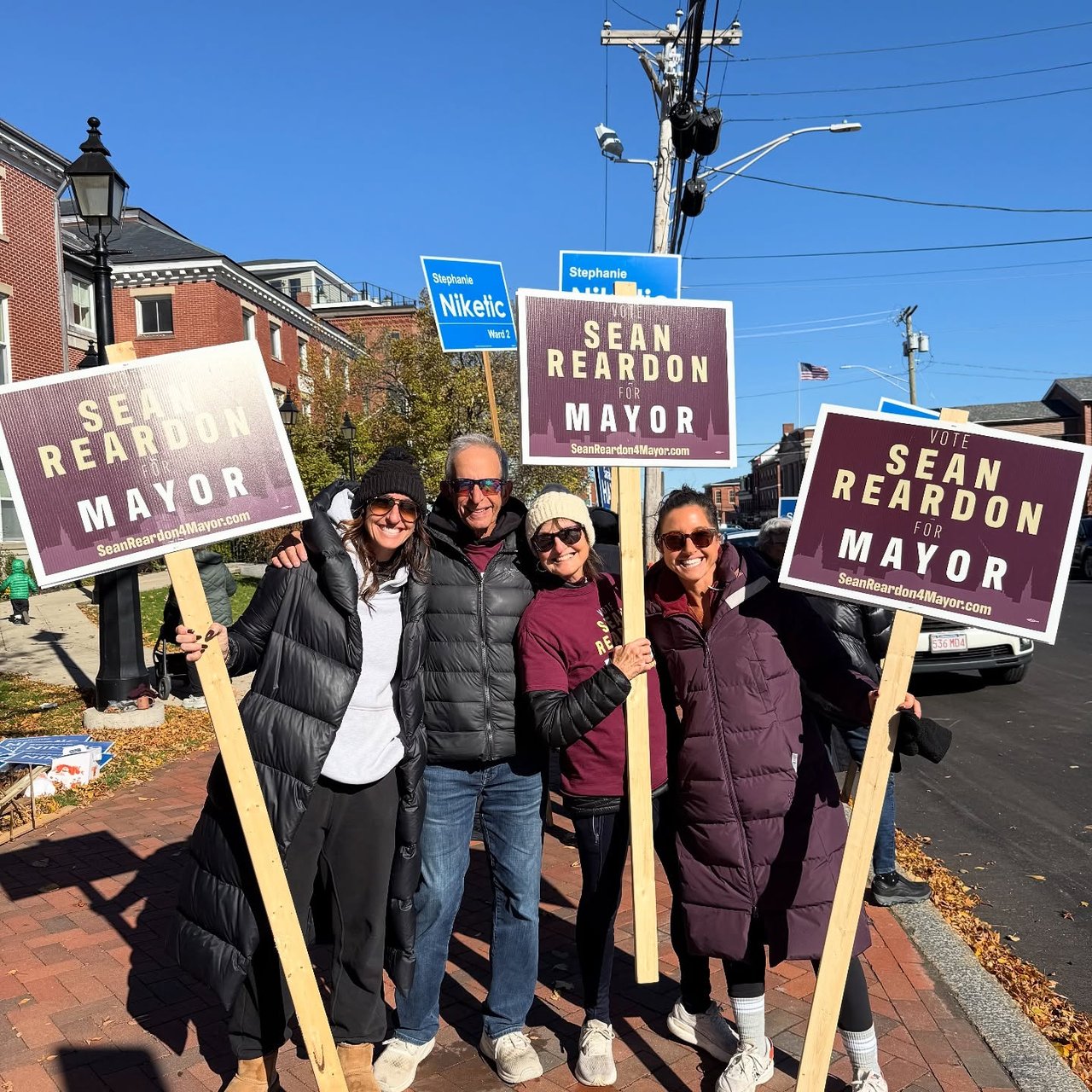
newburyport
Note: This article was updated in February 2026 to reflect the results of the Newburyport mayoral election (the incumbent was re-elected).
Why was the Newburyport mayoral race so contentious?
The Newburyport mayoral race became heated due to disagreements over leadership style, City Hall culture, and development priorities — not because of one single project.
Newburyport’s mayoral race drew unusual attention from residents who don’t normally follow local elections closely. The intensity wasn’t about a single proposal. It was about how the city is run, how decisions are made, and how growth is managed in a community that’s balancing preservation with real development pressure.
What was actually being debated
While headlines often focused on personalities, the underlying disagreements were structural.
Newburyport faces limited land availability, strong housing demand, and aging infrastructure. Decisions around zoning, density, and redevelopment shape neighborhood character, traffic patterns, and the tax base for decades. Some residents prefer a cautious approach to growth to preserve the city’s feel. Others argue that thoughtfully planned growth is necessary to keep housing options available and stabilize municipal finances.
How leadership approaches these choices — collaboratively, transparently, and with public buy-in — became a defining theme of the race.
City Hall culture and leadership style
A major driver of the heated tone was the public conversation around City Hall culture. Statements from current and former employees brought workplace environment into the spotlight. Supporters of the incumbent argued that progress can create friction and that change is often uncomfortable. Supporters of the challenger emphasized morale, transparency, and internal collaboration as essential to long-term effectiveness.
For voters, this framed the decision as continuity of direction versus a reset in leadership tone and internal processes.
Why this matters for homeowners, buyers, and sellers
Local leadership affects how quickly projects move through permitting, which redevelopment sites are prioritized, and how housing needs are addressed. These choices shape neighborhood change, service levels, and long-term property values.
For homeowners, this can influence neighborhood stability and future investment. For buyers, it affects housing options and predictability. For sellers, market confidence and long-term planning matter.
What the election result signals going forward
With the incumbent re-elected, residents can expect continuity in leadership direction and priorities. Ongoing projects and planning efforts are likely to proceed under familiar leadership, which can reduce short-term uncertainty around development timelines and municipal strategy.
At the same time, the issues raised during the campaign — particularly around City Hall culture and transparency — remain part of the public conversation and will continue to shape how residents engage with local government moving forward.
What happens next
Regardless of who holds office, Newburyport still faces the same constraints: limited land, strong demand, infrastructure needs, and the ongoing tension between preservation and growth. The next term will be defined by how effectively leadership navigates those realities — and how well residents feel heard in the process.
Frequently asked questions: Newburyport mayoral race
Did the Newburyport mayoral race become heated because of one specific project?
No. The debate centered on leadership style, City Hall culture, and development priorities rather than a single proposal.
Is this election mainly about development?
Development played a role, but governance, transparency, and internal operations were equally central.
How does the mayor influence housing and development?
The mayor helps set planning priorities and influences how redevelopment and zoning initiatives move forward with City Council and boards.
Does the mayor control zoning alone?
No. Zoning changes require City Council and planning board involvement, but the mayor plays a key leadership role in setting direction.
Why should homeowners and buyers care about the mayoral outcome?
Leadership decisions shape long-term neighborhood change, service levels, and the stability of the housing market.
Post-election update
Update (February 2026): The Newburyport mayoral election has concluded, and the incumbent was re-elected. The result signals continuity in leadership direction for planning and development efforts, while the issues raised during the campaign around transparency and City Hall culture remain part of the ongoing public conversation.
Whether you're simply thinking of buying or selling a home, or know someone who is, we're here to ensure your real estate experience is a great one. Let us help you find your dream home or investment property.